Freud vs Jung: The Friendship, The Fight, and The Regret
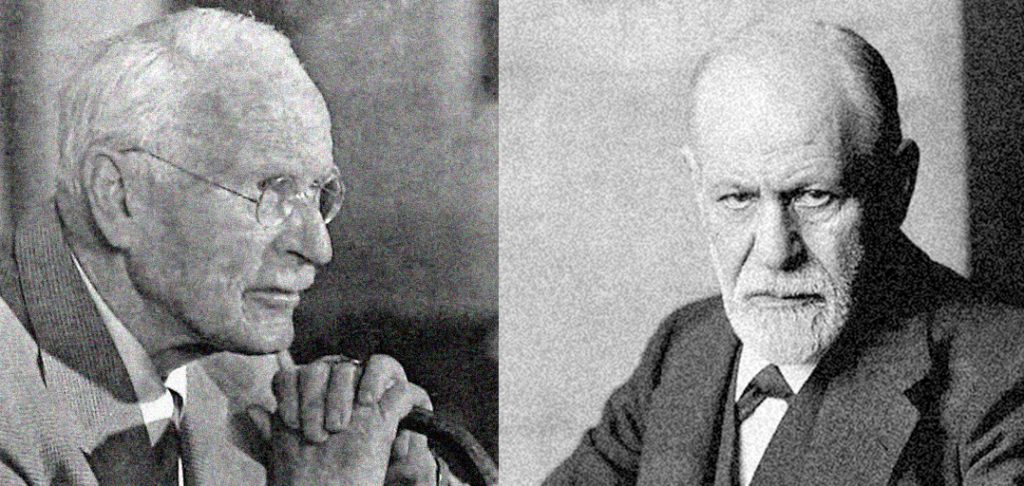
This article revisits the dramatic relationship between Sigmund Freud and Carl Jung, a story that blends admiration, ambition, emotional conflict and intellectual disagreement. Their bond began with curiosity and mutual respect. Freud saw Jung as the young thinker who could carry psychoanalysis into the future, especially because he was not from the same cultural background as Freud’s inner circle and could expand the movement across borders. Jung admired Freud’s clarity of thought and his courage to study the unconscious mind. Their partnership looked powerful and promising at the beginning, like a teacher and a successor working together to change the field of psychology. The early years of their friendship felt like an intense exchange of ideas. Freud believed he had finally found someone who understood his vision.
Jung called Freud a father figure and felt inspired by his confidence. They wrote long letters, debated theories, and created new directions in depth psychology. Many students of psychology still study these letters because they reveal the emotional undertone behind the theories. They were not simply two scientists working together. They were two people searching for a deeper understanding of the human mind while relying on each other for intellectual support. The conflict began slowly. Freud’s theory of the unconscious placed a strong emphasis on sexual drives and how they influence behavior, emotions and dreams. Jung respected the theory but wanted to expand the meaning of the unconscious beyond biological instincts. He believed the human mind contains symbols, myths and spiritual patterns that appear across cultures.
Jung observed these patterns in dreams and folklore and called them universal structures of imagination. Freud thought this direction was dangerous because it moved psychoanalysis away from scientific precision and toward metaphysical ideas. Jung felt limited by Freud’s strict focus on sexuality. Freud worried that Jung’s ideas would dilute the foundation of psychoanalysis and cause the movement to lose credibility. What began as a simple disagreement grew into a personal struggle. The emotional connection between them made the disagreement feel painful.
Freud expected loyalty from Jung because he saw him as the future leader of psychoanalysis. Jung wanted independence and did not want to be controlled. Their letters, once warm, became tense. The conversations that once encouraged growth now created frustration. Each felt misunderstood by the other. Their psychological theories started pulling them in opposite directions, and soon their friendship could not survive the distance created by their beliefs. The breaking point came when Jung openly challenged Freud’s ideas in his writings and lectures. Freud saw this as betrayal. Jung saw it as intellectual honesty. Their final arguments were filled with disappointment. Freud collapsed during a heated debate because of stress, which made the separation even more emotional. After they parted ways, both men continued to develop their theories, but traces of their broken friendship remained in their work and personal reflections. The fight between them was not only about theories.
It also included human emotions like pride, fear and the longing for approval. Freud wanted someone to continue his legacy exactly as he imagined it. Jung wanted freedom to explore the spiritual and symbolic aspects of the mind. Both were strong personalities with powerful visions. When two such visions collide, the relationship often becomes fragile. Jung later admitted that the separation hurt him deeply. He regretted the loss of the relationship, even though he believed his ideas had to evolve independently. He acknowledged that Freud had shaped his early thinking and that their collaboration was built on genuine admiration.
Freud also felt the loss, although he expressed it differently. He maintained a rigid surface but was emotionally affected by Jung’s departure. He rarely trusted anyone after that, and the movement around him became more closed and guarded. Their story teaches a deeper lesson about human relationships in intellectual environments. When two people share a powerful vision, the bond can feel like family. When their ideas diverge, the emotional break feels intense and personal. Their relationship shows how creativity and conflict often grow together.
Many great ideas in psychology emerged from this tension. Jung’s concept of the collective unconscious and archetypes expanded the field of analytical psychology. Freud’s theories on repression, dreams and early childhood continued to influence therapy. Even though they separated, the dialogue between their theories still shapes modern understanding of the mind.
Readers often wonder what would have happened if Freud and Jung had stayed together. Would psychology have taken a different path. Would their theories have merged into a unified school. No one knows. But what remains is the emotional truth that both men cared deeply about their work and about each other. Their regret shows that even great thinkers struggle with attachment, conflict and the pain of separation. This article concludes that the story of Freud and Jung is not only about two theories competing for dominance. It is about human emotion within intellectual friendship. It is about ambition meeting vulnerability and belief meeting disappointment. It is a reminder that the history of psychology is shaped by people who felt deeply while thinking deeply.
Their friendship changed the world of psychology. Their fight changed it again. Their regret reveals the human heart behind the ideas that continue to influence how we understand the mind today.


It was a very interesting article expressing different emotions involved in a relationship. A good share.
ReplyDelete